 EN
EN

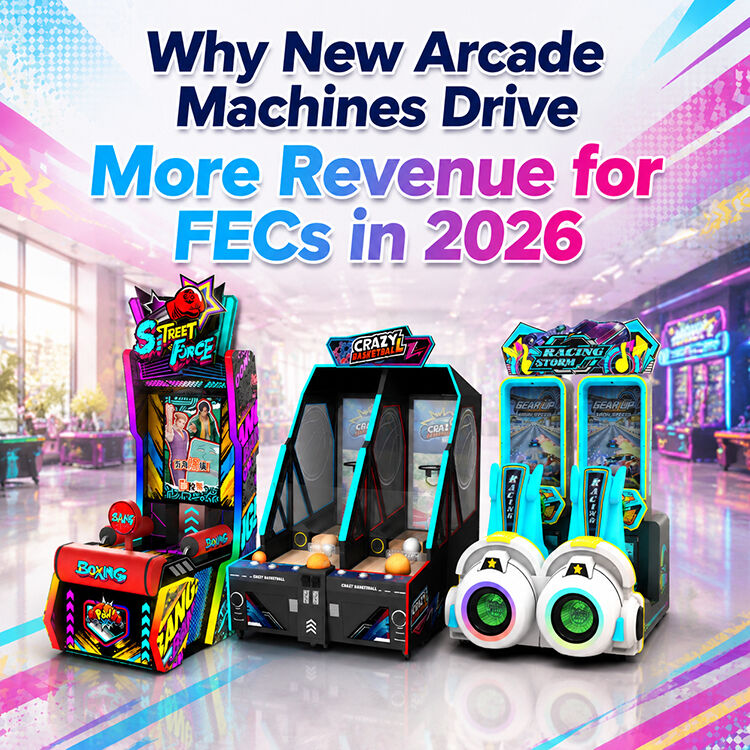
The arcade and Family Entertainment Center (FEC) industry continues to attract global investors as consumers increasingly spend money on immersive, social, and experience-driven entertainment. From shopping mall arcades and redemption game centers to VR gaming zones and hybrid entertainment venues, modern arcade businesses are evolving far beyond traditional coin-operated game rooms.
In 2026, opening an arcade game center can still be a highly profitable business opportunity. However, many new investors underestimate the actual startup costs, operational challenges, and long-term planning required to build a successful entertainment business.
Opening an arcade is no longer just about purchasing machines. Investors now need to consider:
- Customer demographics
- Venue location
- Machine mix
- Replay value
- Operational efficiency
- Marketing strategy
- ROI timeline
A poorly planned arcade can struggle with low customer retention, weak cash flow, and delayed profitability. On the other hand, a strategically designed entertainment center can generate multiple revenue streams and long-term business growth.
This guide explains the real cost of opening an arcade in 2026, including startup investment, arcade machine expenses, profit models, ROI calculations, and common mistakes new investors should avoid.
Is the Arcade Business Still Profitable in 2026?
The Global FEC Industry Continues to Grow
According to industry trends, the global Family Entertainment Center market continues expanding as experience-driven entertainment becomes increasingly popular among families, teenagers, and young adults.
Several factors are driving this growth:
- Rising indoor entertainment demand
- Expansion of shopping mall entertainment zones
- Growth of social gaming culture
- Popularity of VR attractions
- Increased family leisure spending
Modern arcade centers are no longer limited to traditional arcade machines. Many successful venues now combine:
- Redemption game machines
- VR attractions
- Interactive sports games
- Food and beverage services
- Social entertainment experiences
This diversification creates stronger long-term revenue opportunities.
Why Investors Are Still Entering the Arcade Industry
Compared with many traditional businesses, arcade centers offer:
- Multiple revenue streams
- Flexible business models
- Strong replay value
- Scalable growth potential
- Experience-based customer demand
However, profitability depends heavily on strategic planning.
Successful arcade investors focus on:
- High-traffic locations
- Profitable machine mix
- Customer retention
- Operational efficiency
- Long-term ROI planning
Main Costs of Opening an Arcade in 2026
1. Venue Rental Costs
Location is one of the biggest factors affecting arcade profitability.
High-traffic locations generally produce better customer flow, but they also increase operating costs.
Common Arcade Locations
| Venue Type | Advantages | Challenges |
| Shopping Mall | High customer traffic | Higher rent |
| Standalone Store | Lower rental cost | Requires stronger marketing |
| Mixed Commercial Space | Flexible layout | Traffic varies by location |
2. Renovation and Interior Design Costs
Modern customers expect immersive and visually attractive entertainment environments.
Renovation expenses may include:
- Flooring
- LED lighting
- Wall decoration
- Sound systems
- Electrical setup
- Air conditioning
- Security systems
- Theme branding
In 2026, venue appearance directly affects:
- Customer retention
- Social media exposure
- Overall customer experience
A visually weak arcade center may struggle to compete against newer entertainment venues.
3. Arcade Machine Investment
Arcade equipment is the core investment of any Family Entertainment Center.
Popular arcade machine categories include:
- Redemption game machines
- Claw machines
- Basketball arcade games
- Racing simulators
- VR arcade equipment
- Kiddie rides
Estimated Arcade Machine Prices
| Machine Type | Estimated Price Range |
| Claw Machine | $800–$3,000 |
| Redemption Game Machine | $2,000–$10,000 |
| Basketball Arcade Machine | $1,500–$5,000 |
| Racing Simulator | $3,000–$15,000 |
| VR Arcade Equipment | $5,000–$30,000+ |
Prices vary depending on:
- Technology level
- Machine size
- Payment system integration
- Customization requirements
- Manufacturer quality
4. Cashless Payment Systems
Cashless systems are becoming standard across the arcade industry.
Modern systems may include:
- Rechargeable game cards
- QR code payments
- Mobile wallet integration
- Centralized management software
Although payment systems increase startup costs, they often improve:
- Customer convenience
- Spending behavior
- Revenue tracking
- Operational efficiency
5. Staff and Operational Costs
Many first-time investors underestimate operational expenses.
Typical monthly costs include:
- Employee salaries
- Utility bills
- Internet systems
- Machine maintenance
- Cleaning services
- Prize inventory
- Technical support
Long-term operational planning is critical for stable profitability.
6. Marketing and Launch Promotion
A successful arcade launch requires strong marketing efforts.
Common marketing costs include:
- Grand opening campaigns
- Social media advertising
- Influencer partnerships
- Membership programs
- Event promotions
Without effective marketing, even high-quality venues may struggle to build stable customer traffic.
Why Redemption Games Generate Stable Revenue
Redemption games remain top revenue drivers because they encourage:
- Repeat play behavior
- Ticket collection psychology
- Family participation
- Longer customer stay time
For many FEC operators, redemption zones generate the highest daily revenue.
Why VR Attractions Increase Premium Spending
VR attractions provide immersive experiences that allow operators to charge:
- Higher play prices
- Premium group packages
- Interactive event experiences
Although VR systems require higher investment, they can significantly improve venue differentiation.
Why Social Gaming Improves Customer Retention
Social attractions such as basketball arcade games and racing simulators increase:
- Group participation
- Spectator engagement
- Social media sharing
- Repeat visits
Social gaming has become one of the strongest trends in modern entertainment centers.
How to Calculate Arcade Business ROI
Basic Revenue Formula
Monthly Revenue = Daily Plays × Price Per Play × Operating Days
For example:
If one redemption machine receives:
- 80 plays per day
- $1 per play
- 30 operating days
Estimated monthly revenue would be:
80 × $1 × 30 = $2,400 monthly revenue
before operational expenses.
Typical ROI Timeline
Most arcade businesses achieve ROI within:
- 6–12 months for claw machines
- 8–18 months for redemption games
- 12–24 months for VR attractions
ROI depends heavily on:
- Location quality
- Machine selection
- Operational management
- Customer demographics
- Marketing performance
Why More Investors Choose One-Stop Arcade Solutions
Modern arcade projects are becoming increasingly complex.
Many investors now prefer working with companies that provide:
- Arcade machine sourcing
- Layout planning
- Payment systems
- VR attractions
- Technical support
- Installation guidance
One-stop solutions help reduce project risk and improve operational consistency.
Why EPARK Supports Arcade Business Growth
With over 14 years of manufacturing experience, EPARK provides:
- Commercial arcade machines
- Redemption game equipment
- VR arcade attractions
- Indoor playground solutions
- One-stop FEC planning
- OEM/ODM customization
EPARK helps investors build entertainment centers based on:
- Venue size
- Customer demographics
- ROI goals
- Latest amusement industry trends
Table of Contents
- The Global FEC Industry Continues to Grow
- Why Investors Are Still Entering the Arcade Industry
- 1. Venue Rental Costs
- 2. Renovation and Interior Design Costs
- 3. Arcade Machine Investment
- 4. Cashless Payment Systems
- 5. Staff and Operational Costs
- 6. Marketing and Launch Promotion
- Why Redemption Games Generate Stable Revenue
- Why VR Attractions Increase Premium Spending
- Why Social Gaming Improves Customer Retention
- Basic Revenue Formula
- Typical ROI Timeline