 EN

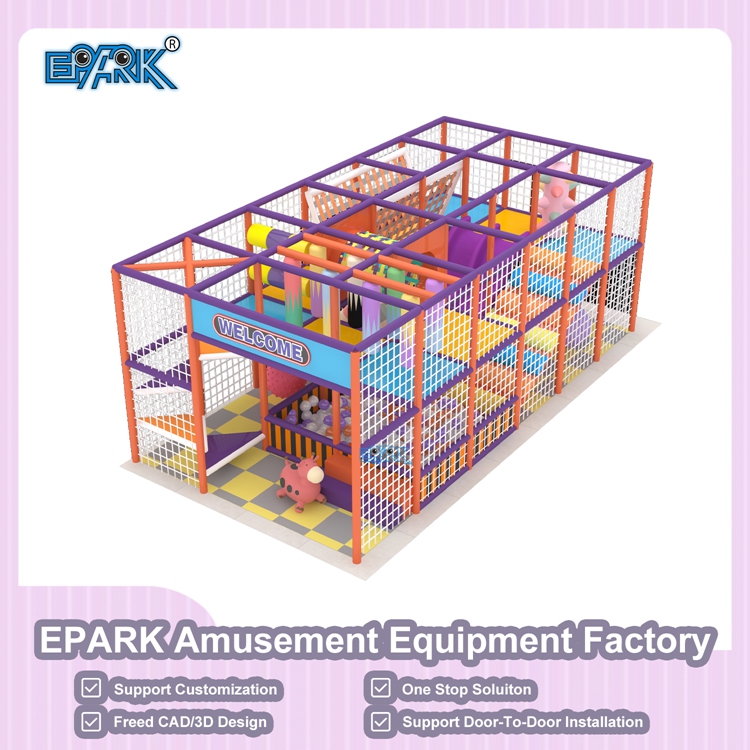
When considering the purchase of a commercial indoor playground package, it’s essential for operators to understand the necessary verifications to ensure a successful investment. This article, titled "What Operators Should Verify Before Ordering a Commercial Indoor Playground Package," outlines key specifications, cost considerations, installation guidance, common challenges, and the importance of material quality. By focusing on these crucial aspects, buyers can make informed decisions that align with their operational needs and budget constraints.
What Key Specifications to Verify Before Ordering Indoor Playgrounds?
Before finalizing an order for an indoor playground package, operators should scrutinize several key specifications that directly impact the functionality and safety of the equipment. Important specifications include dimensions, load capacity, safety features, and compliance with local regulations.
Dimensions: Verify dimensions to ensure that the playground fits within the intended space and meets safety standards. Consider the available floor area, ceiling height, and any obstacles that may affect installation.
Load Capacity: Each component of the playground should have clearly defined load capacities, which must align with the expected number of users. Overloading can lead to safety hazards and equipment failure.
Safety Features: Look for equipment that incorporates safety features such as soft edges, non-slip surfaces, and proper padding. These features are crucial for minimizing injury risks, especially in high-traffic areas.
Regulatory Compliance: Ensure that the playground equipment complies with local safety standards and regulations. This may include certifications from relevant authorities that guarantee the equipment has been tested for safety and quality.
Taking these specifications into account helps ensure that the playground not only fits operational needs but also provides a safe environment for users.
Cost Factors to Consider When Purchasing Commercial Playgrounds
Understanding the various cost factors associated with acquiring a commercial indoor playground package is critical for budget management. Key elements include initial purchase price, shipping costs, installation fees, and ongoing maintenance expenses.
Initial Purchase Price: The base price of the playground equipment will vary significantly based on the complexity, brand, and materials used. Buyers should obtain detailed quotes that break down the costs of individual components.
Shipping Costs: Shipping costs can add a considerable amount to the overall budget. These costs may depend on the distance from the manufacturer, the size of the package, and any additional handling fees.
Installation Fees: Professional installation is often advised for playground equipment to ensure safety and compliance with guidelines. Buyers should inquire about installation costs and whether they are included in the purchase price.
Ongoing Maintenance: Consider the long-term maintenance costs, which include routine inspections, repairs, and replacements of worn components. Investing in high-quality materials may reduce these costs over time.
By evaluating these cost factors, operators can develop a comprehensive budget that ensures they are prepared for both the initial investment and ongoing operational expenses.
Installation Guidance for Your Indoor Playground Package Purchase
Proper installation is vital to ensure the longevity and safety of an soft indoor playground. Operators should consider the following guidance to facilitate this process:
Site Preparation: Ensure that the installation site is adequately prepared before the equipment arrives. This includes having a clean, level surface and addressing any electrical or plumbing needs in advance.
Professional Installation: Engaging a professional installation team with experience in playground setups can help prevent costly mistakes. Operators should verify the team's credentials and ask for references.
Assembly Instructions: If the equipment comes with assembly instructions, review them thoroughly before starting the installation. Follow the manufacturer's guidelines closely to avoid compromising safety or functionality.
Post-Installation Inspection: After installation, conduct a thorough inspection of the equipment to ensure everything is assembled correctly and functions as intended. This is also a good time to review safety features and make any necessary adjustments.
By following these installation guidelines, operators can set up their playground equipment correctly, ensuring a safe and enjoyable experience for users.
What Common Problems Arise with Indoor Playground Equipment?
Understanding common problems associated with indoor playground equipment can help operators anticipate and mitigate issues that may arise post-installation. Some frequent challenges include:
Wear and Tear: Frequent use of playground equipment can lead to wear and tear, particularly on high-traffic areas. Regular maintenance checks can help identify and address these issues before they escalate.
Safety Hazards: Equipment that is not properly maintained can pose safety hazards, such as loose components or inadequate padding. Operators should establish a regular inspection schedule to ensure all safety features are intact.
Equipment Compatibility: When adding new components to an existing playground, compatibility issues may arise. Operators should consult with the manufacturer to ensure any new additions align with the existing structure’s design and specifications.
User Overload: Overcrowding can strain equipment beyond its load capacity, leading to potential failures. Operators should monitor usage patterns and limit the number of users based on the equipment's specifications.
By being aware of these common problems, operators can implement preventative measures and maintain a safe environment for users.
How Material Quality Impacts the Longevity of Play Equipment
The quality of materials used in playground equipment significantly influences its durability, safety, and overall performance. Operators should consider the following factors when assessing material quality:
Durability: High-quality materials can withstand the rigors of constant use and exposure to various environmental conditions. For example, UV-resistant plastics and rust-resistant metals can prolong the lifespan of outdoor equipment.
Safety Standards: Materials should meet industry safety standards to ensure that they do not pose health risks to users. Non-toxic and hypoallergenic materials are preferable, especially for equipment used by children.
Maintenance Requirements: The choice of materials can affect the maintenance needs of the equipment. Materials that require minimal upkeep can reduce long-term costs and effort.
Aesthetic Appeal: Quality materials also enhance the visual appeal of affordable indoor playground. Buyers should select colors and finishes that align with their branding and the intended atmosphere of the play area.
By prioritizing material quality, operators can invest in playground equipment that not only meets safety standards but also provides a long-lasting and enjoyable experience for users.
Table of Contents
- What Key Specifications to Verify Before Ordering Indoor Playgrounds?
- Cost Factors to Consider When Purchasing Commercial Playgrounds
- Installation Guidance for Your Indoor Playground Package Purchase
- What Common Problems Arise with Indoor Playground Equipment?
- How Material Quality Impacts the Longevity of Play Equipment