 EN
EN

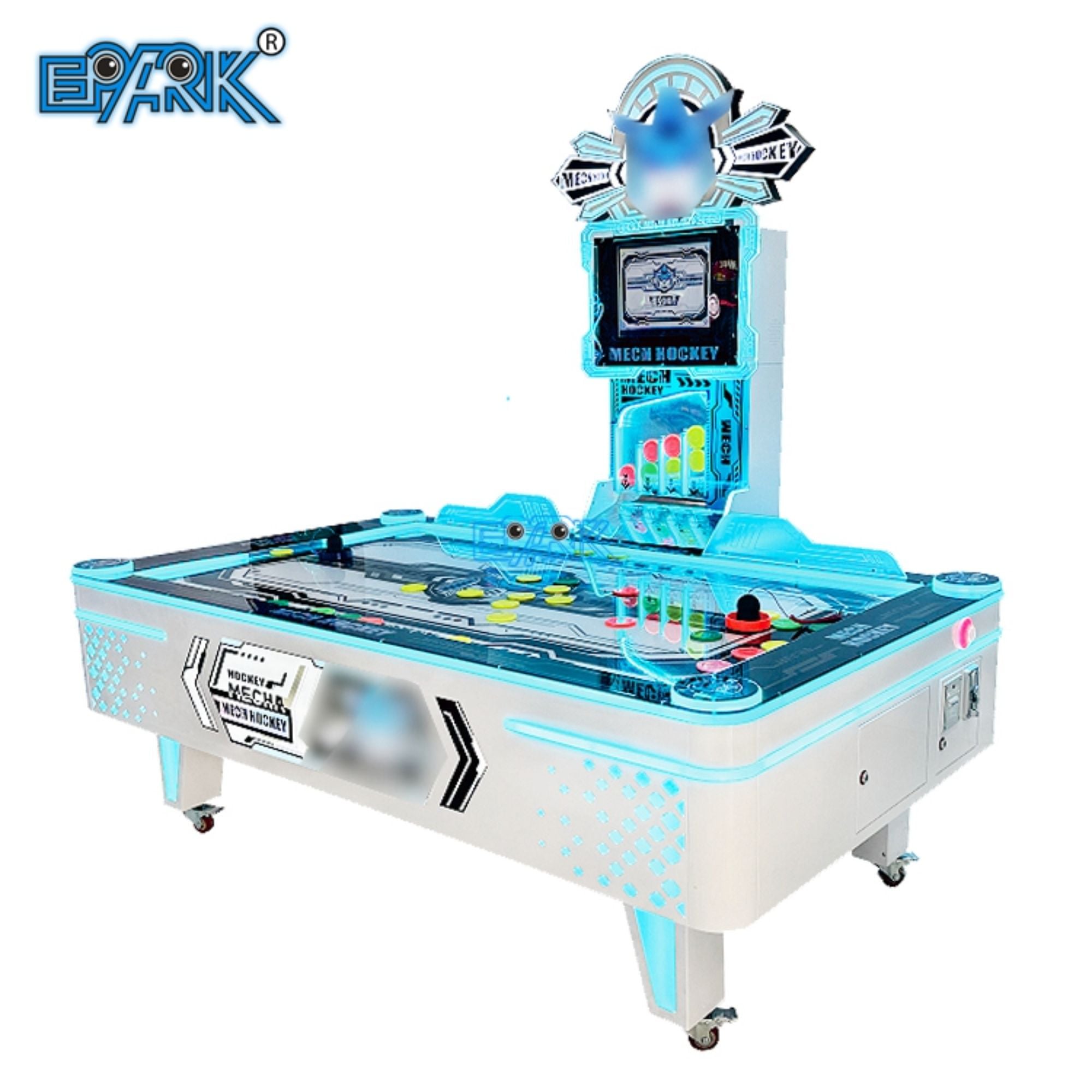
An air hockey table holds two players longer than almost any racing cabinet, making it a staple in amusement parks and game centers. For distributors and contractors, understanding the intricacies of air hockey tables is crucial for selecting the right products that meet both consumer demand and business profitability. This article will guide you through key specifications, quality evaluation, sourcing reliable suppliers, cost factors, and common issues associated with air hockey tables.
Key Specifications of Air Hockey Tables for Distributors and Contractors
When selecting air hockey table, distributors and contractors should focus on several key specifications that impact performance and durability. Important factors include table size, playing surface material, motor power, and design features.
Table Size: Standard air hockey tables come in various sizes, typically ranging from 7 to 8 feet in length. The chosen size should accommodate the target audience, with larger tables often providing a more engaging experience.
Playing Surface Material: High-quality tables usually feature a smooth, durable surface made of MDF (Medium Density Fiberboard) or a composite material. The surface must be designed for optimal airflow, allowing the puck to glide smoothly. A well-finished surface ensures player satisfaction and minimizes maintenance issues.
Motor Power: The motor's horsepower directly influences the airflow and, consequently, the puck's speed. A minimum of 110V is standard for commercial tables to provide sufficient airflow for competitive play. Higher power motors can enhance gameplay, making them preferable for high-traffic locations.
Design Features: Consider additional features like adjustable legs, automatic scoring systems, and LED lighting, which can enhance user experience and draw more players. These features can also differentiate your offering in a competitive market.
How to Evaluate the Quality of Air Hockey Tables for Your Business
Evaluating the quality of air hockey tables is essential to ensure customer satisfaction and reduce long-term costs. Here are key aspects to consider:
Materials Used: Assess the quality of all materials, including the playing surface, body, and components. Tables should have robust construction to withstand heavy use, especially in commercial settings. Look for tables with reinforced edges to prevent damage from rough play.
Manufacturing Process: Understanding the manufacturing process can provide insight into the table's durability. Tables produced with precision CNC machining tend to have better alignment and surface quality, which is critical for consistent gameplay.
Quality Control Systems: Ask suppliers about their quality control measures. Reliable manufacturers will conduct rigorous testing at various production stages, including airflow testing and durability assessments. Requesting certifications or inspection reports can further validate product quality.
User Feedback: Gathering reviews and testimonials from other businesses can offer real-world insights into performance and reliability. Engaging with existing customers can help identify common issues or standout features.
Where to Find Reliable Suppliers for Air Hockey Tables in Bulk
Finding trustworthy suppliers for commercial air hockey table is crucial for ensuring consistent quality and supply. Here are strategies to locate reliable manufacturers:
Industry Trade Shows: Attending amusement and arcade trade shows can connect you with reputable manufacturers. These events allow you to see products firsthand, interact with suppliers, and negotiate bulk purchasing deals.
Online Marketplaces and Directories: Platforms like Alibaba or industry-specific directories can help identify manufacturers. Look for suppliers with positive ratings and extensive product offerings.
Networking: Leverage industry connections or local business associations to get recommendations for reliable suppliers. Word-of-mouth referrals often lead to trustworthy contacts.
Supplier Verification: Once potential suppliers are identified, conduct thorough background checks. Request references and verify their production capabilities, lead times, and compliance with industry standards.
Cost Factors to Assess When Purchasing Air Hockey Tables Wholesale
Understanding the cost factors involved in purchasing air hockey tables is crucial for establishing a profitable business model. Key elements include:
Unit Price: The base price per table will vary significantly based on specifications and features. Ensure that you have a clear understanding of what is included in the price, such as delivery and installation fees.
Shipping Costs: Consider the logistics of transporting tables from the manufacturer to your location. Shipping costs can vary based on distance, weight, and the shipping method chosen. Bulk orders may qualify for discounts, so discussing shipping logistics upfront is beneficial.
Minimum Order Quantity (MOQ): Many manufacturers have an MOQ for bulk purchases, which can affect your upfront investment. Ensure that the MOQ aligns with your sales forecasts to avoid excess inventory costs.
Warranty and After-Sales Support: Factor in the cost of warranties and any post-purchase support. Reliable suppliers will offer warranties that cover manufacturing defects, which can save you costs on repairs or replacements.
Common Problems with Air Hockey Tables and Effective Solutions
While arcade style air hockey table are generally robust, they can face specific issues that may affect performance. Here are common problems and solutions:
Puck Not Gliding Smoothly: If the puck does not glide properly, it may be due to a dirty or damaged playing surface. Regular maintenance, including cleaning the surface and checking for scratches, is essential. Encourage users to keep the playing area free from debris.
Motor Malfunctions: Motors can fail due to overheating or electrical issues. Ensure that the motor is appropriately rated for commercial use and conduct regular checks on electrical connections. Have a maintenance plan in place to address issues quickly.
Scoring System Failures: Electronic scoring systems can malfunction, leading to frustration. Test systems regularly and ensure that backup scoring methods are available, such as manual scoring or mobile apps.
Structural Damage: Tables are susceptible to wear and tear, particularly in high-traffic areas. Reinforced edges and durable materials can mitigate damage, but regular inspections are necessary to identify and address any structural issues before they worsen.
By understanding the specifications, quality evaluation methods, sourcing strategies, cost factors, and common issues associated with air hockey tables, distributors and contractors can make informed purchasing decisions that enhance their offerings and customer satisfaction.
Table of Contents
- Key Specifications of Air Hockey Tables for Distributors and Contractors
- How to Evaluate the Quality of Air Hockey Tables for Your Business
- Where to Find Reliable Suppliers for Air Hockey Tables in Bulk
- Cost Factors to Assess When Purchasing Air Hockey Tables Wholesale
- Common Problems with Air Hockey Tables and Effective Solutions