 EN
EN

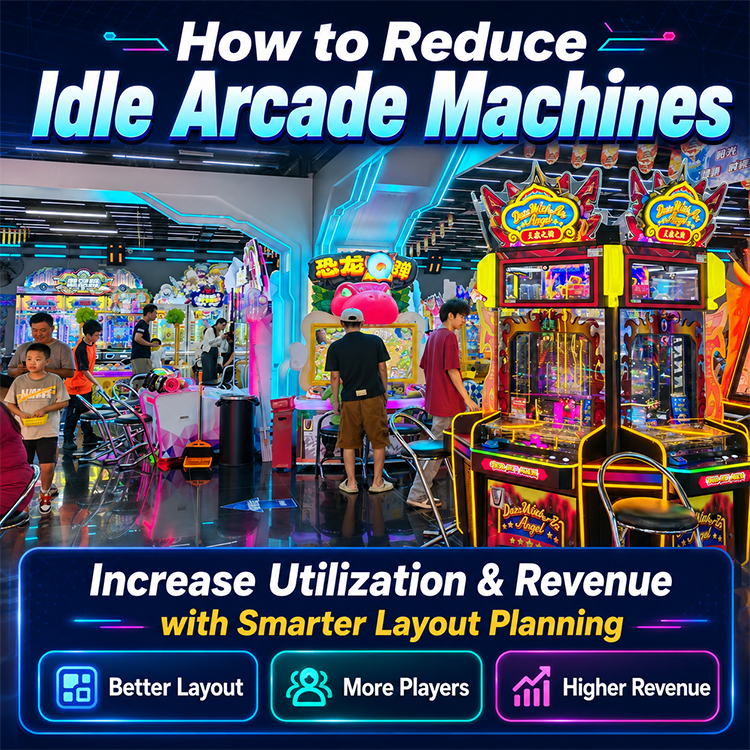
Opening an arcade business has become an increasingly attractive investment opportunity. As demand for Family Entertainment Centers (FECs), indoor amusement parks, and location-based entertainment continues to grow, more entrepreneurs are entering the industry in search of stable, long-term returns.
- However, launching a successful arcade requires much more than purchasing popular machines. While quality equipment is important, many new operators discover that profitability depends on dozens of decisions made before and after opening day.
- Experienced operators understand that success comes from balancing location, attraction planning, pricing, customer experience, and daily operations. In contrast, many first-time investors repeat the same avoidable mistakes, leading to lower foot traffic, higher operating costs, and slower return on investment.
- Whether you're planning a small neighborhood arcade or a large Family Entertainment Center, avoiding these common pitfalls can significantly improve your chances of building a profitable business.
- Mistake 1: Choosing the Wrong Location
- Location remains one of the most important factors influencing an arcade's success.
- Many new investors choose locations based primarily on rental costs instead of customer potential. A cheaper location may reduce monthly expenses, but poor visibility or low foot traffic can limit long-term revenue.
- Before signing a lease, evaluate:
- Daily foot traffic
- Nearby schools and residential communities
- Shopping malls or commercial centers
- Parking availability
- Public transportation
- Local competition
- Target customer demographics
- A great location brings customers naturally, reducing your dependence on expensive advertising.
- How to Avoid It
- Conduct local market research before making any leasing decisions. Spend time observing customer flow during weekdays, weekends, and holidays.
- Mistake 2: Buying Too Many Similar Machines
- Many first-time owners believe that purchasing the most popular machine category will maximize profits.
- For example, filling an entire venue with claw machines or racing simulators may initially look attractive, but it often reduces customer engagement over time.
- A successful arcade offers variety.
- Different attractions appeal to different customer groups and encourage visitors to stay longer.
Customer Group |
Recommended Attractions |
Young Children |
Kiddie rides, simple redemption games |
Families |
Claw machines, air hockey, basketball games |
Teenagers |
Racing simulators, VR games, rhythm games |
Young Adults |
Sports games, simulators, multiplayer attractions |
- A balanced attraction mix increases replay value and creates more reasons for customers to return.
- How to Avoid It
- Plan your equipment mix based on customer demographics rather than individual product popularity.
- Mistake 3: Ignoring Customer Demographics
- Not every market has the same entertainment preferences.
- An arcade located inside a shopping mall serves different visitors than one near a university campus or tourist destination.
- Successful operators first ask:
- Who will visit this venue?
- What age groups dominate the area?
- Do customers come as families, friends, or couples?
- How much are they willing to spend?
- Understanding these factors helps determine everything from machine selection to pricing strategy.
- How to Avoid It
- Study your local market carefully before purchasing equipment. Build your attraction mix around your customers—not around current industry trends.
- Mistake 4: Underestimating Operating Costs
- Many investors focus only on equipment costs while overlooking the ongoing expenses of operating an arcade.
- Typical monthly costs include:
- Rent
- Utilities
- Employee salaries
- Equipment maintenance
- Prize inventory
- Marketing
- Insurance
- Cleaning
- Software and payment systems
- Ignoring these costs can place unnecessary pressure on cash flow during the first year of operation.
- How to Avoid It
- Create a realistic operating budget before opening. Include a financial reserve for unexpected repairs, seasonal fluctuations, and promotional activities.
- Mistake 5: Thinking the Job Ends After Opening Day
- A successful grand opening is exciting—but it's only the beginning.
- Many new arcades experience strong attendance during their first few weeks, followed by a steady decline in customer traffic.
- The reason is simple:
- Customers need a reason to come back.
- Successful operators continue investing in:
- Seasonal promotions
- Membership programs
- Birthday packages
- School partnerships
- Social media campaigns
- Local events
- New prize collections
- Marketing should be viewed as an ongoing investment rather than a one-time launch activity.
- How to Avoid It
- Develop a 12-month marketing calendar before opening your venue. Plan events and promotions that encourage repeat visits throughout the year.
- Mistake 6: Neglecting Equipment Maintenance
- Your arcade machines are your business assets. Even the most popular attractions can quickly lose customers if they frequently break down or look poorly maintained.
- Many new operators only repair equipment after it stops working. This reactive approach increases downtime, disappoints customers, and can lead to expensive repairs.
- Preventive maintenance is far more effective. A simple maintenance schedule can extend the lifespan of your machines while ensuring a consistent customer experience.
- Good maintenance practices include:
- Daily equipment inspections
- Cleaning cabinets, buttons, and screens
- Checking coin or card payment systems
- Testing lights, speakers, and moving parts
- Replacing worn components before failure
- Keeping essential spare parts in stock
- A clean, fully operational arcade not only improves customer satisfaction but also protects your investment over the long term.
- How to Avoid It
- Create a preventive maintenance plan and assign clear responsibilities to staff. Regular inspections are significantly less expensive than emergency repairs.
- Mistake 7: Ignoring Business Data
- Successful arcade operators don't rely on guesswork—they rely on data.
- Modern arcade management systems provide valuable insights into customer behavior and machine performance. These reports help operators identify which attractions deserve more attention and which may need to be replaced or relocated.
- Key performance indicators (KPIs) include:
- Revenue per machine
- Revenue per square meter
- Machine utilization rate
- Average customer spending
- Repeat visit rate
- Prize cost percentage
- Equipment downtime
- For example, if one basketball game consistently outperforms another in a different location, the issue may be placement rather than the game itself.
- Data-driven decisions help maximize profitability while reducing unnecessary investment.
- How to Avoid It
- Review business reports weekly or monthly and use the results to improve pricing, machine placement, promotions, and equipment selection.
- Mistake 8: Setting the Wrong Pricing Strategy
- Pricing has a direct impact on customer satisfaction and profitability.
- Some new operators believe that lower prices automatically attract more customers. Others set prices too high, discouraging repeat play.
- Neither strategy is ideal.
- Instead, pricing should reflect:
- Local purchasing power
- Equipment value
- Competitor pricing
- Customer expectations
- Operating costs
Many successful arcades also increase revenue through:
- Membership discounts
- Game bundles
- Recharge bonuses
- Happy hour promotions
- Seasonal campaigns
These strategies encourage customers to spend more while feeling they are receiving better value.
How to Avoid It
Test different pricing strategies and monitor customer response. Small adjustments often produce significant improvements in revenue.
Mistake 9: Forgetting the Overall Customer Experience
Customers rarely remember only the games—they remember how the venue made them feel.
Even with excellent equipment, visitors may not return if the environment is uncomfortable or poorly managed.
Successful arcades pay attention to every detail, including:
- Clean facilities
- Friendly staff
- Comfortable temperature
- Attractive lighting
- Clear signage
- Organized layouts
- Background music
- Comfortable waiting areas
A positive customer experience encourages longer visits, stronger word-of-mouth recommendations, and higher repeat business.
How to Avoid It
Walk through your venue regularly from a customer's perspective. Look for areas that create confusion, discomfort, or inconvenience, and improve them continuously.
Mistake 10: Choosing the Wrong Equipment Supplier
Price is important, but it should never be the only factor when selecting an arcade equipment supplier.
A low-cost machine can become expensive if replacement parts are difficult to obtain or technical support is unavailable.
Before choosing a supplier, consider:
- Manufacturing experience
- Product quality
- Quality control procedures
- Warranty coverage
- Spare parts availability
- Technical support
- Shipping experience
- Customer reviews
- Customization capabilities
Working with a reliable manufacturer reduces operational risks and provides long-term support as your business grows.
How to Avoid It
Choose a supplier with proven international project experience, transparent communication, and dependable after-sales service—not simply the lowest quotation.
Quick Summary
Common Mistake |
Better Approach |
Choosing the wrong location |
Conduct detailed market research before leasing |
Buying too many similar machines |
Create a balanced attraction mix |
Ignoring customer demographics |
Design your venue around your target audience |
Underestimating operating costs |
Prepare a realistic financial plan |
Stopping marketing after opening |
Invest in year-round promotions and events |
Neglecting maintenance |
Implement preventive maintenance schedules |
Ignoring business data |
Track KPIs and optimize continuously |
Poor pricing strategy |
Test pricing and introduce value-added offers |
Forgetting customer experience |
Focus on cleanliness, service, and comfort |
Choosing the wrong supplier |
Partner with an experienced manufacturer offering strong after-sales support |
Conclusion
Opening an arcade business can be both exciting and profitable, but success depends on much more than purchasing great equipment.
The most successful operators carefully research their market, build a balanced attraction mix, monitor business performance, maintain their equipment, and continuously improve the customer experience.
Every mistake discussed in this article is avoidable. By planning carefully and learning from experienced operators, new investors can reduce risk, improve profitability, and build an entertainment business that continues to grow year after year.
Remember, a successful arcade isn't built in a single day. It's built through smart decisions, consistent management, and a commitment to delivering memorable experiences for every customer.
FAQ
1. What is the biggest mistake when opening an arcade?
The most common mistake is choosing a location without conducting proper market research. Even excellent equipment cannot compensate for poor visibility or low customer traffic.
2. How many arcade machines should I start with?
The ideal number depends on your venue size, budget, and target audience. A balanced mix of attractions is generally more effective than filling every available space.
3. Which arcade machines generate the highest ROI?
Claw machines, redemption games, basketball arcade games, and racing simulators are often strong performers when matched with the right customer demographic and location.
4. How important is equipment maintenance?
Very important. Preventive maintenance reduces downtime, extends equipment lifespan, and improves customer satisfaction.
5. How can I increase repeat visits?
Membership programs, seasonal promotions, prize updates, tournaments, and excellent customer service all encourage visitors to return.
6. Should I buy directly from a manufacturer?
Factory-direct purchasing often provides better pricing, greater customization options, and direct technical support, especially for commercial projects.
7. How long does it take for an arcade business to become profitable?
The payback period varies depending on investment size, location, operating costs, and management. Careful planning and efficient operations can significantly improve ROI.
8. What's the most important factor for long-term success?
Long-term success comes from continuously understanding customer needs, tracking business performance, maintaining equipment, and adapting your business as the market evolves.